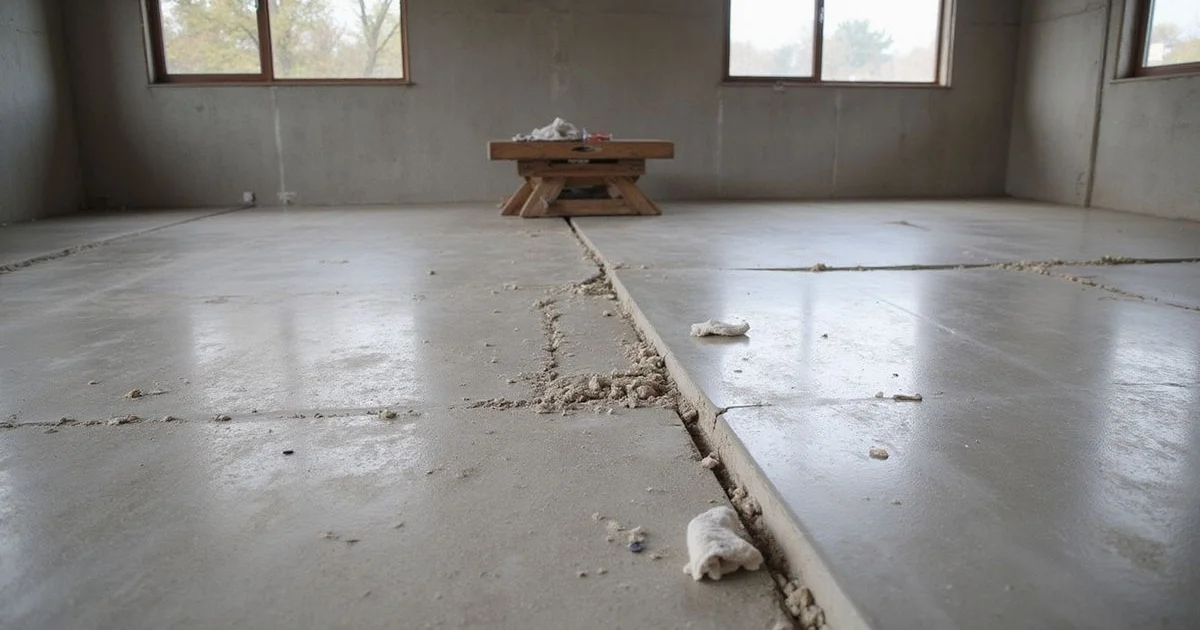
The Distinction That Matters Commercially
Two floors can look almost identical on handover day and cost very different amounts, and this is the pair that causes it.
Polished concrete is mechanical. The slab is ground and honed through many grit stages, densified, and refined until the concrete itself reflects light. Detail on that process is in what polished concrete is.
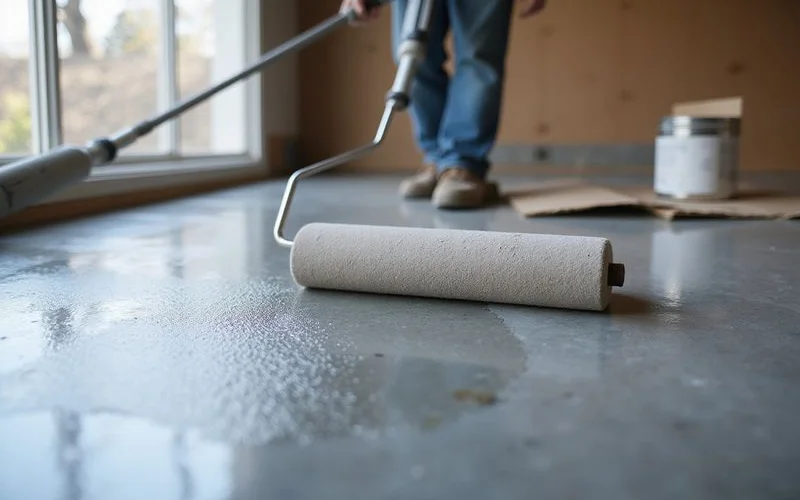
Grind and seal is a shorter process. The slab is ground, usually just enough to flatten and open the surface and reveal some aggregate, and then a sealer is applied. The gloss comes from the sealer. So does most of the stain protection.
Both are offered by legitimate contractors. The problem is when the second is quoted using the first’s name and price.
Side by Side
| Polished concrete | Grind and seal | |
|---|---|---|
| Source of gloss | The refined concrete | A topical sealer |
| Grit stages | Many, coarse to very fine | Few, enough to flatten and open |
| Densifier | Yes, part of the process | Sometimes, sometimes not |
| Surface film | None | Yes |
| Wear behaviour | Abrades slowly and evenly | Film wears through in traffic paths |
| Refresh method | Burnish or re-polish | Strip and recoat |
| Up-front cost | Higher | Lower |
| Stain resistance | Moderate, guard optional | Higher while the film is intact |
| Colour options | Dye during polishing | Sealer can carry colour or tint |
Where Each One Wins
Polished concrete wins on longevity and on maintenance economics. There is no film to fail, no strip-and-recoat cycle, and refreshing worn areas is a burnish. In a high-traffic commercial space, that difference compounds over years.
Grind and seal wins on up-front cost and on adaptability. It can be applied to slabs that would never polish well, it can carry colour more easily, and it can achieve a particular sheen without the grit sequence required to get there mechanically. It is often the right call for a garage, a laundry, a workshop, or a covered outdoor area.
Ask two questions
How many grit stages are included, and is a densifier applied? A genuine polishing quote answers both without hesitation. A grind-and-seal quote will talk about the sealer instead, which is fine as long as you know that is what you are buying and the price reflects it.
Durability, Honestly
Grind and seal is more stain-resistant on day one, because a film blocks liquids that a densified surface will slowly absorb. Polished concrete is more durable over years, because a film is a wear layer and wear layers wear.
Which matters more depends on the floor. In a cafe with constant spills, the film’s stain resistance earns its keep. In a warehouse with forklift traffic and grit, the film is gone within two years in the aisles while a polished floor is still doing its job.
Total Cost Over Time
Compare over ten years rather than at handover. A polished floor’s ongoing cost is cleaning plus an occasional burnish. A grind-and-seal floor’s ongoing cost is cleaning plus a strip-and-recoat cycle at whatever interval the traffic dictates, and each recoat includes the disruption of taking the space out of service.
For a small residential area, the up-front saving may well outweigh that. For a large commercial floor, it usually does not.
The Honest Recommendation
If your slab is sound and flat and the space justifies it, polish it. If it is not, or if the budget is fixed and lower, grind and seal it knowingly, with a sealer chosen for the traffic it will see.
What we will not do is grind and seal a floor and invoice it as polished concrete. That is the practice that makes buyers suspicious of the whole category, and it is why this guide exists.