Two Sliders, Set Independently
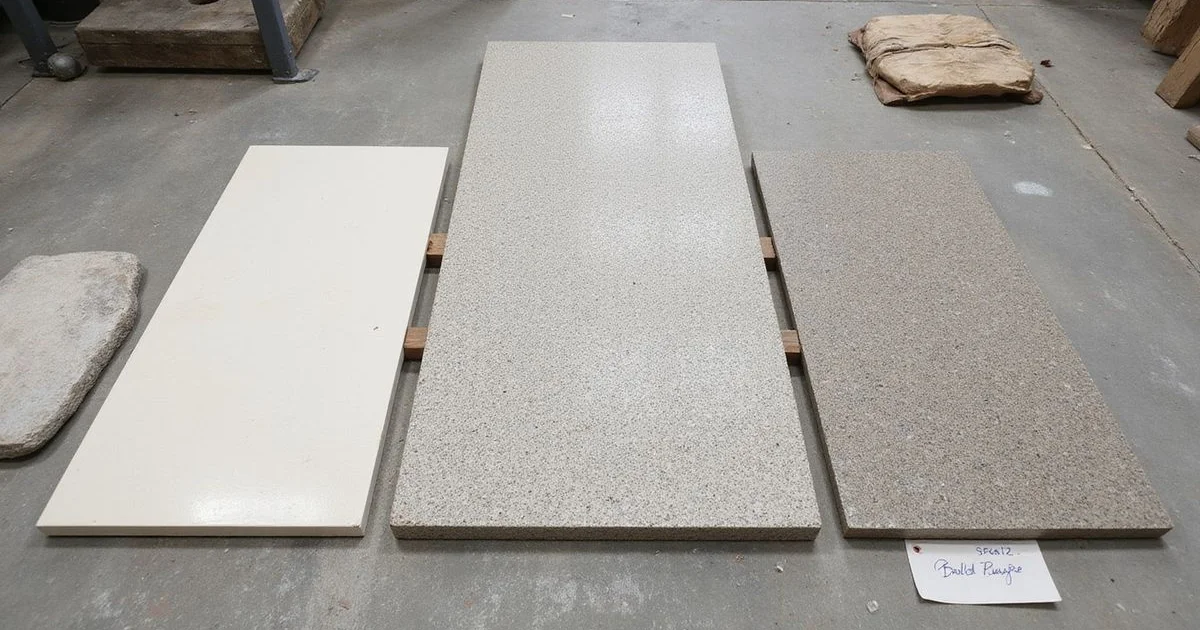
Every polished concrete floor is described by two decisions, and getting them clear early is how you avoid disappointment.
The first is aggregate exposure, which is how deep the first cut goes and therefore how much of the concrete’s own stone you see. The second is gloss level, which is how far the refining sequence runs and therefore how reflective the finished surface is.
They are independent. A low-gloss floor can show full aggregate. A high-gloss floor can show almost none. Deciding both before work starts matters because the first is irreversible once cutting begins, and detail on the underlying process is in what polished concrete is.
Aggregate Exposure, Class by Class
Cream (Class A). The lightest cut. Surface paste stays largely intact, so the floor reads as an even, quiet, mostly uniform surface. It is the most forgiving of an inconsistent pour and the least likely to reveal repairs, and it is the cheapest of the three because the initial cut is shallow.
Salt-and-pepper (Class B). A moderate cut that removes the paste and exposes the fine sand and small stone just below. This is the most commonly specified finish, partly because it reads as concrete without demanding a perfect slab.
Full aggregate (Class C). The deepest cut, bringing the larger stone forward for a look that approaches terrazzo. It is striking and it is unforgiving: it needs a slab where aggregate is distributed evenly and sits at a consistent depth, otherwise the floor comes up patchy.
The slab decides, not the brochure
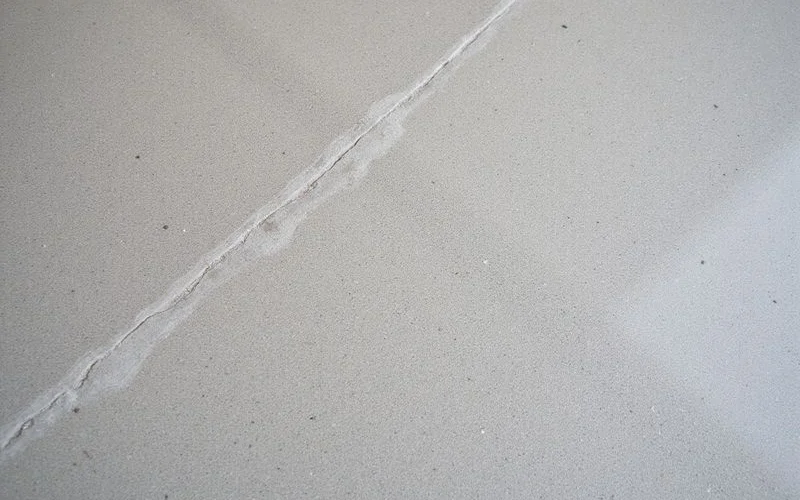
Full aggregate exposure is not a product you order. It is what your slab happens to contain, revealed by cutting. If the aggregate sits deep or unevenly, chasing it produces an inconsistent floor and a large bill. We assess and tell you what is realistic.
Gloss, Level by Level
Gloss levels are usually described from one to four.
Level 1 is a matte, honed appearance with minimal reflection. It hides dust and wear best and suits industrial and utilitarian settings, and some contemporary residential work.
Level 2 is satin, with a soft sheen and modest light reflection. Comfortable in homes and offices.
Level 3 is semi-gloss, with clearly visible reflection and noticeably more depth to the surface.
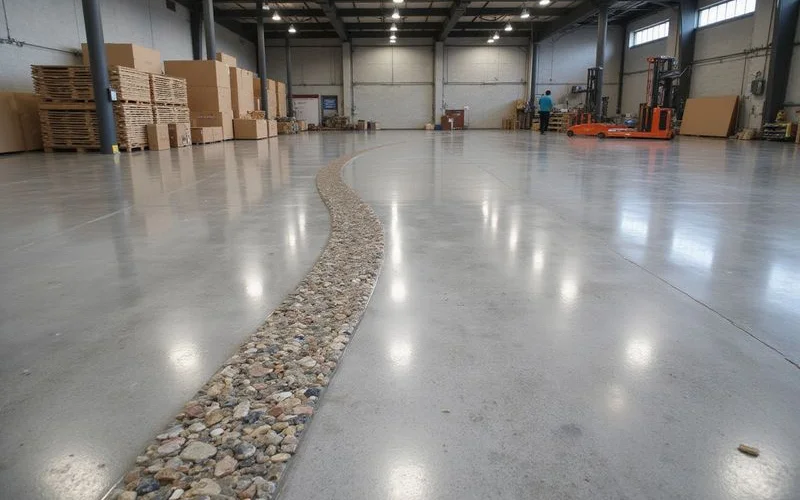
Level 4 is high gloss, strongly reflective, and the most demanding to keep looking its best.
Matching the Choice to the Room
| Setting | Common exposure | Common gloss |
|---|---|---|
| Home, open-plan | Cream or salt-and-pepper | Satin to semi-gloss |
| Retail, showroom | Salt-and-pepper or aggregate | Semi-gloss to high gloss |
| Cafe or hospitality | Salt-and-pepper | Satin, for traction |
| Warehouse, industrial | Cream | Matte to satin |
| Garage | Cream | Matte to satin |
Traction deserves a specific mention. Higher gloss is more slippery when wet, so anywhere connecting to outside, near a kitchen, or around water, the sheen decision should follow safety rather than photographs.
Cost Implications
Both sliders move the price, in the same direction, for the same reason: more machine passes.
Deeper aggregate exposure means more aggressive initial cutting and more consumables. Higher gloss means more refining stages, each a full pass across the floor. A cream finish at satin gloss is the most economical specification. Full aggregate at high gloss is the most expensive, sometimes substantially.
That is worth knowing before you fall in love with a photograph, because the same slab can produce either outcome and the difference is labour rather than material.
How to Decide
Look at real floors, in person, in rooms of a similar size and light. Photographs exaggerate gloss and flatten aggregate, so they mislead in both directions.
Then be honest about maintenance appetite. A high-gloss floor is not harder to clean, it just shows more, and some households find that relaxing while others find it a daily reminder.