Symptoms Are Not Causes
Every call about a failing decorative floor starts with a symptom. The floor has gone cloudy. It is peeling near the door. There is a white powder that keeps coming back. The colour looks washed out in front of the window.
Each of those has several possible causes, and the cause determines the fix. Recoating a floor without knowing why the last finish failed reproduces the failure on your money, which is why floor restoration work starts with diagnosis rather than with a quote.
Here is how to read what you are looking at.
Whitening and Blushing
What you see: a milky, cloudy, or hazy appearance, sometimes across the whole floor, more often in patches. The colour underneath is still visible but muted, as if seen through frosted glass.
What it usually means: moisture trapped under a film-forming sealer. Water vapour moving up through the slab reaches the underside of the coating, cannot pass through, and disrupts the film so it scatters light.
What causes it: slab moisture, a sealer applied before the concrete was dry enough, a floor sealed over inadequately rinsed acid stain, or an exterior slab where water is getting in from the edges.
Efflorescence
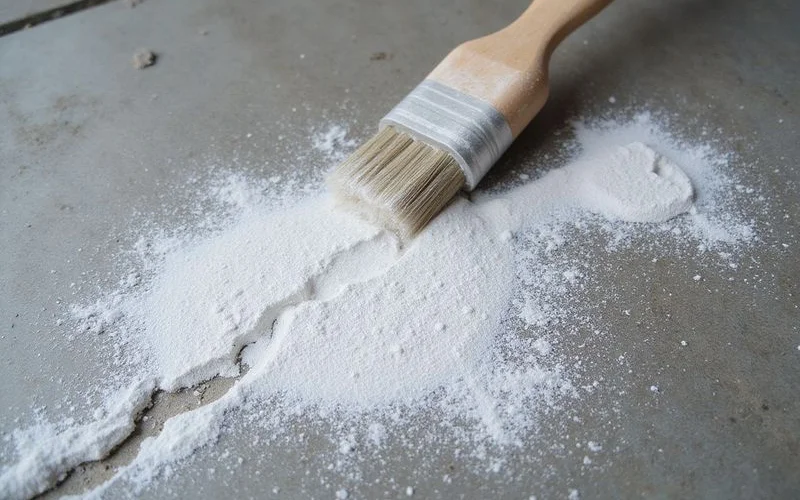
What you see: a white, powdery, crystalline deposit on or just beneath the surface, often returning after it is cleaned off.
What it usually means: salts carried to the surface by moisture moving through the concrete, left behind when the water evaporates.
Why it matters: the deposit itself is cosmetic and the moisture transport causing it is not. Efflorescence that keeps returning is the slab telling you something about water, and cleaning it repeatedly treats the symptom.
Peeling and Flaking
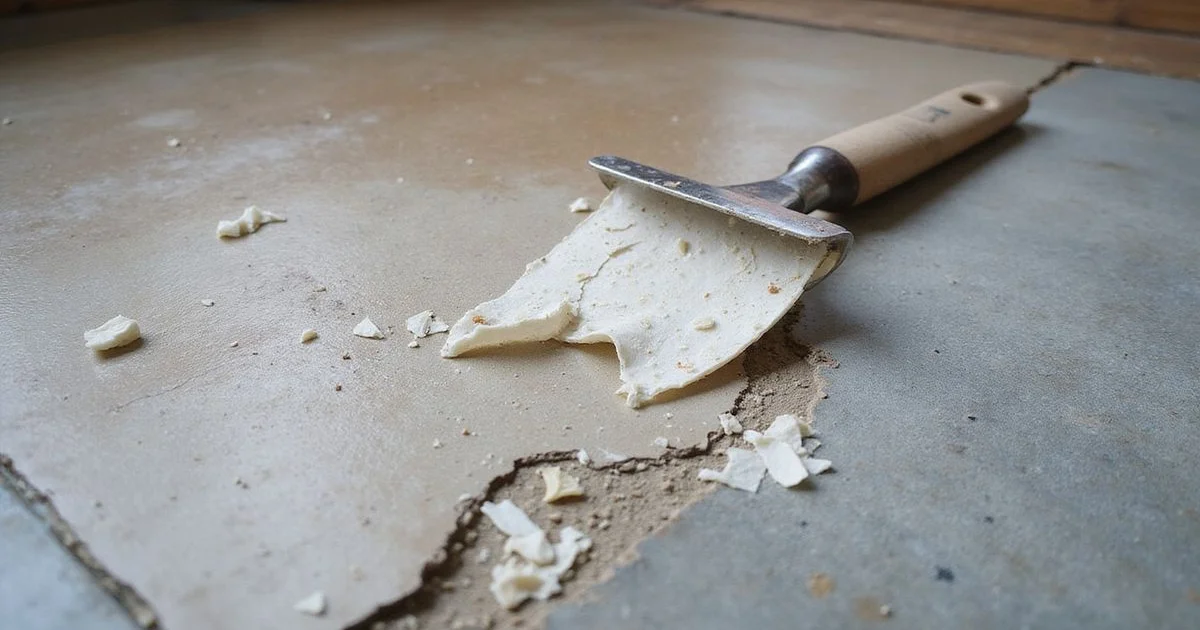
What you see: the sealer lifting in sheets, flakes, or patches, often starting at edges, doorways, or areas of high traffic.
What it usually means: a bond failure. The coating is no longer attached to what is beneath it.
What causes it: moisture pushing from below, preparation that left residue or an old coating in place, incompatible products layered over each other, or a sealer applied over a contaminated surface.
The diagnostic that matters most
Look at where the failure is, not just what it looks like. Failure concentrated in one area suggests a local cause such as a leak or a sun-exposed zone. Failure spread evenly across the floor suggests a whole-slab cause such as moisture or preparation.
Fading
What you see: colour that looks washed out, often strongest near windows or in traffic paths.
What it usually means: two different things, and telling them apart matters. Near windows, it is typically UV affecting the colour or the sealer. In traffic paths, it is usually abrasion wearing through the sealer and eventually into the stained surface layer.
Why the distinction matters: a worn sealer over intact colour is a reseal. Colour worn through or genuinely degraded is a restoration, which is a considerably larger scope.
Dark Patches and Staining
What you see: marks that will not clean off, usually darker than the surrounding floor, sometimes with a defined edge.
What it usually means: liquid has passed a failed, worn, or absent sealer and reached the concrete. Once it is in the slab, cleaning the surface does not reach it.
What not to do: escalate to increasingly aggressive chemicals. That converts a stain problem into a sheen problem, and a dull patch is usually more visible than the original mark.
Cracks Appearing After the Work
What you see: a crack that was not there, or was not visible, when the floor was finished.
What it usually means: slab movement, which the finish has revealed rather than caused. Decorative finishes do not repair structure, and in Central Texas seasonal soil movement is a well-documented driver of slab cracking.
What to Do Next
Photograph the affected areas in daylight, including a wide shot showing where on the floor the problem sits. Note whether it changes with weather or season, since moisture-driven problems often do. Avoid aggressive cleaning attempts, which can complicate the diagnosis.
Then work out whether you are looking at a maintenance issue or a failure, which is what when to reseal versus restore worn stained concrete covers. The answer decides the scale of everything that follows.