Exterior Pricing Works Differently
Two things make exterior quotes diverge from interior ones: shape and weather.
Patios are rarely simple rectangles. Curved edges, steps, coping, planter returns, and thresholds all involve hand-work that does not scale with area the way an open interior floor does. And exterior work has application windows, so scheduling is part of the cost conversation rather than an afterthought.
The service itself is described on the patio resurfacing page. This guide covers what moves the number.
The Cost Drivers
1. Area and shape. Square footage sets the baseline, and complexity adjusts it. A simple rectangular slab is the most economical. A curved patio with two steps and a planter return is the same area and considerably more labour.
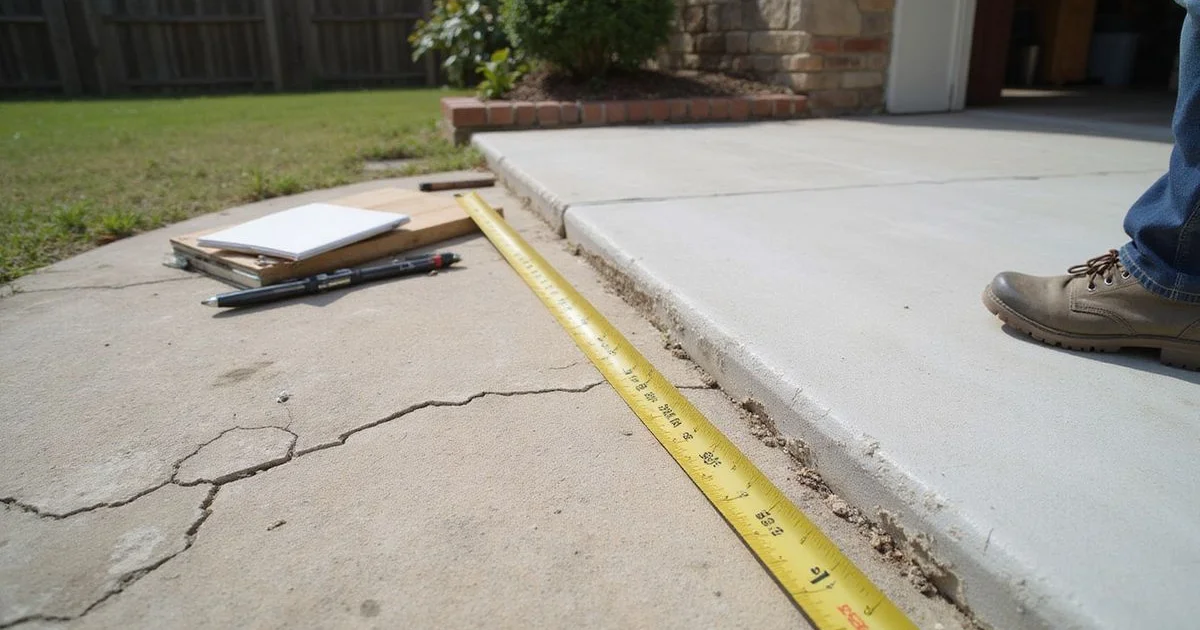
2. Existing surface condition. Sound but tired concrete is straightforward. Spalling, previous coatings, paint, or a heavily damaged surface all add preparation. Anything bonded to the slab has to come off before a resurfacing system will hold.
3. System choice. A stain and seal on the existing surface is the least involved. A resurfacing overlay costs more and delivers a new surface with a chosen texture. Which one applies depends on the condition of what you have.
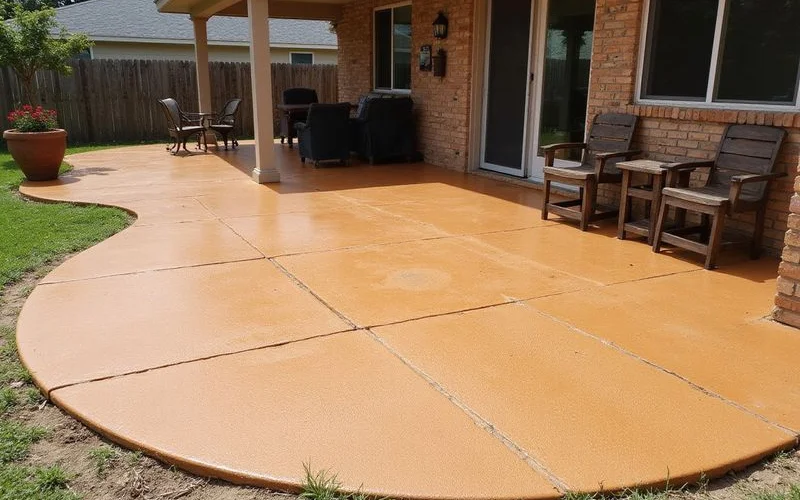
4. Texture and finish. Plain finishes are quickest. Knockdown, cool-deck style, scored patterns, and borders add time. This is the lever people most often adjust when a quote comes in above expectation, and it is a legitimate one.
5. Colour approach. Single-colour staining versus layered or accented work.
6. Exterior sealer and additives. UV-stable exterior sealers cost more than interior products, and slip-resistant additives are a small line with a large safety return.
7. Drainage and repairs. If falls need attention or cracks need treatment, that precedes the finish. We separate these so you can see what is necessary and what is optional.
8. Steps, coping, and edges. Detailed hand-work, priced by the metre rather than the square foot in practical terms.
What we will not quote around
A patio where water pools or where the slab has settled. Resurfacing over either is money spent on appearance that the conditions will undo. Fixing the drainage or the slab comes first, and sometimes that means a different trade before us.
Comparing Exterior Quotes
The questions to ask are similar to interior work with two additions: which exterior sealer is specified, and is a slip additive included.
Then ask what happens if the weather does not cooperate. A contractor who will apply an overlay or sealer outside the product’s temperature and humidity range to hit a date is buying themselves a schedule and selling you a compromised finish.
Reducing Cost Sensibly
Choose a simpler texture. Do the whole area at once rather than phasing. Keep the shape work to what is necessary. Accept a mid-range colour rather than layered feature work.
What not to cut: preparation, the exterior-grade sealer, and slip resistance. Those three are what make an exterior surface last and keep people upright on it.
The Long-Term Cost Nobody Quotes
The installation price is only part of what an exterior surface costs you, and the part people forget is sealer renewal.
Exterior sealers face UV, thermal cycling, rain, and standing water. They work considerably harder than interior products and they come up for renewal sooner. How much sooner depends on exposure: a shaded, north-facing patio with good drainage will go far longer than a fully exposed west-facing slab that collects water at one end.
Renewal itself is a modest job compared with the original work, usually a thorough clean and a fresh coat or two, provided it is done while the existing sealer is still continuous. Left too long, the surface starts taking damage directly and the job becomes a strip-and-redo rather than a refresh.
So when comparing quotes, ask what sealer is specified and what renewal is likely to look like for your exposure. A cheaper installation using an interior-grade product outdoors is not a saving, it is a deferred and larger bill, usually arriving with yellowing or clouding as its announcement.
We give you an honest expectation for your specific patio rather than a number that applies to nobody.
Planning the Timing
Book earlier than feels necessary. Spring and autumn application windows fill, and Central Texas summers and wet spells both take days out of the calendar. Planning a patio for next summer during the preceding spring is comfortable; deciding in July rarely is.
Before committing to colour and texture, read stained concrete patio suitability and care, since exposure should drive both decisions more than a colour chart does.